Day 7 – Friday, February 27: Aswan: Temple of Philae, Nubian Village, Unfinished Obelisk/Granite Quarry, Flight to Cairo
Today was our last day here in southern Egypt. It was a great last day here as we blended sites of antiquity in the morning with a cultural experience in the afternoon. The weather was perfectly sunny again, with a cool start (50s) in the morning, with highs around 80. We read from Psalm 20 (that interestingly is similar to the Hymn to Horus (from Papyrus Amherst 63).
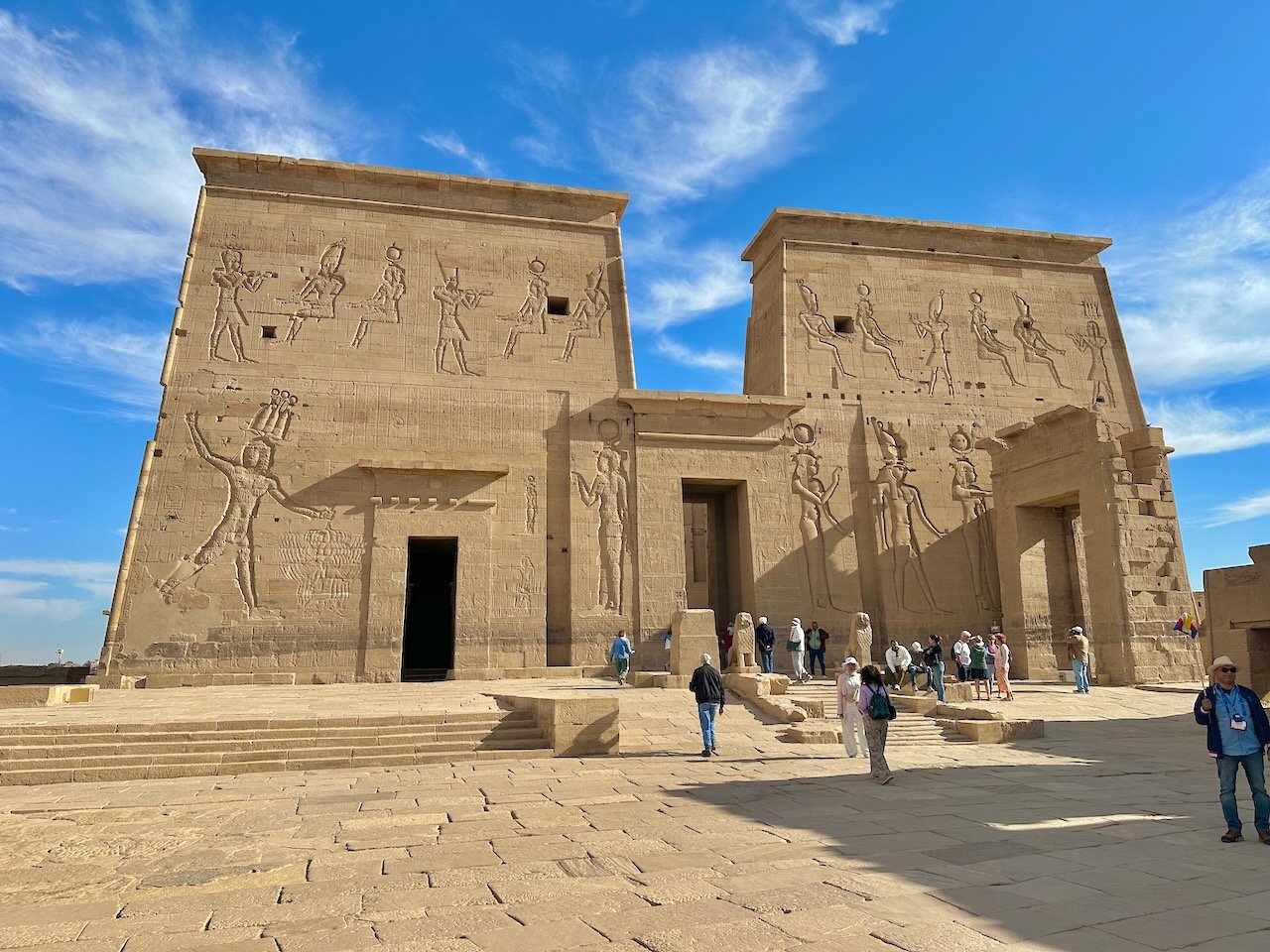
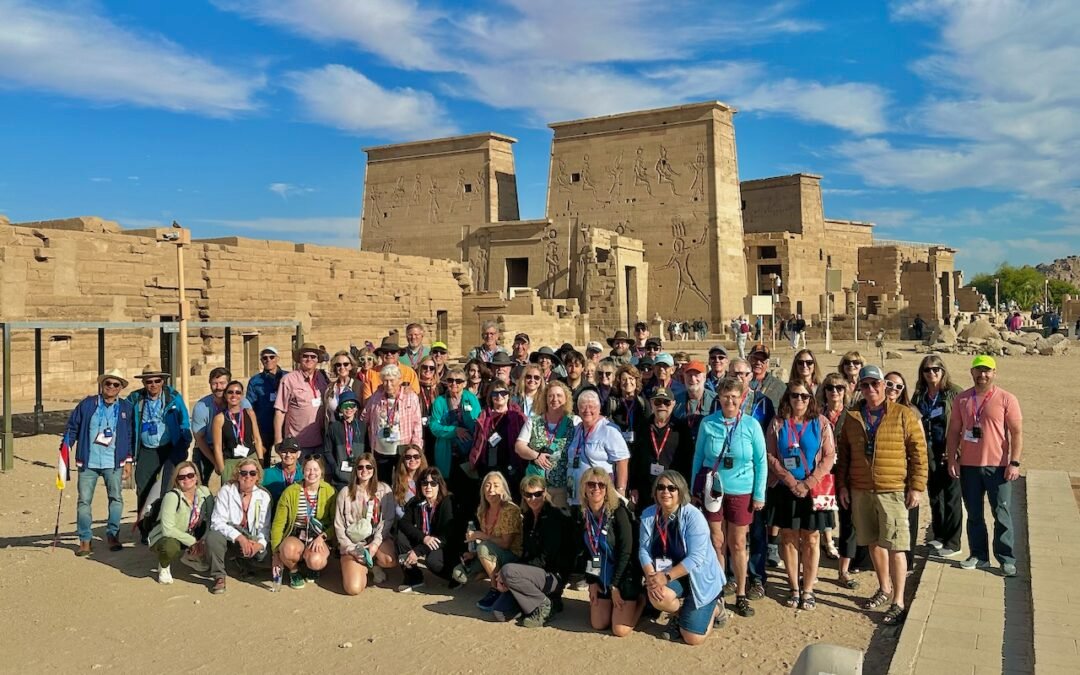
Temple of Philae
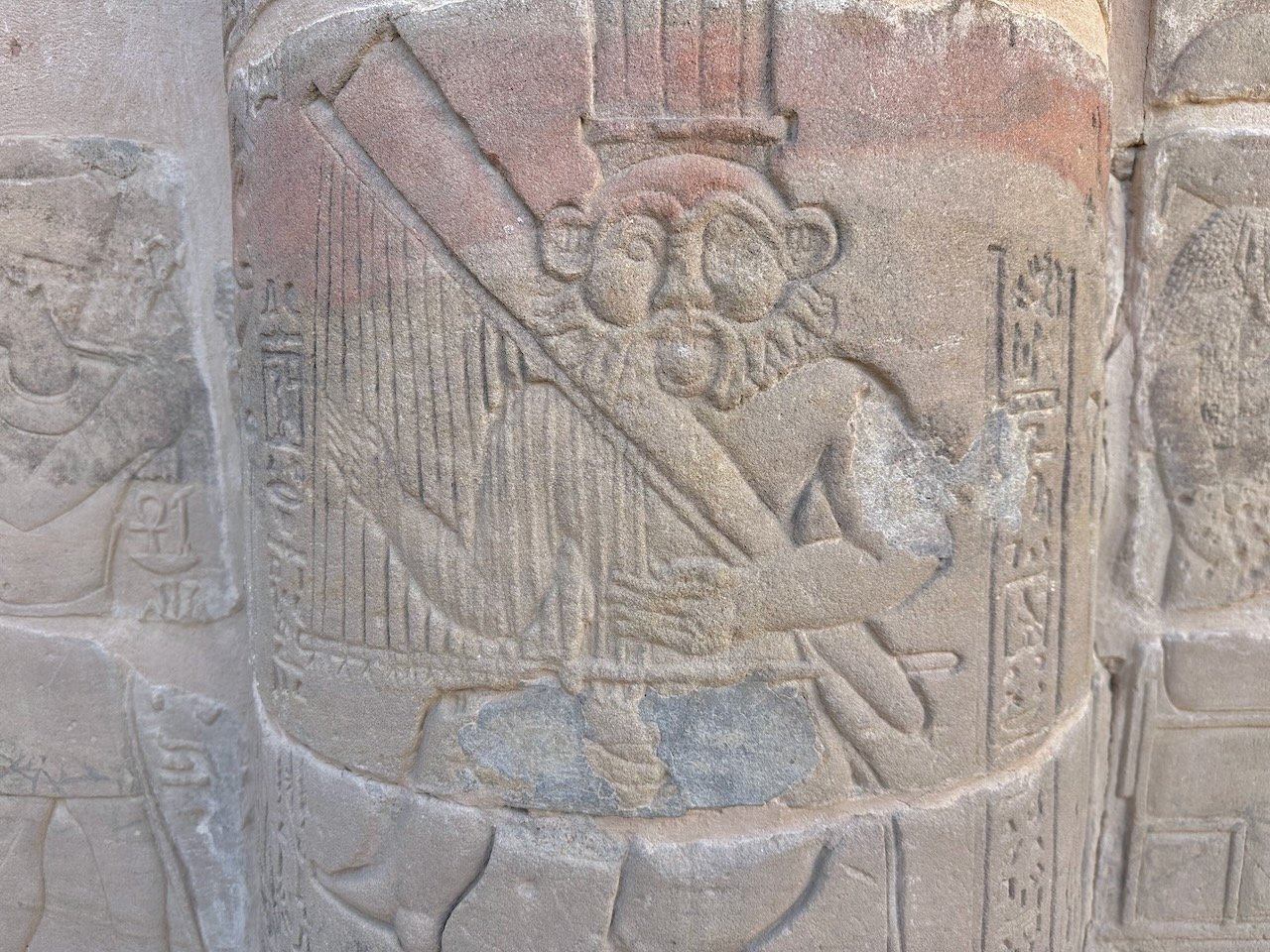
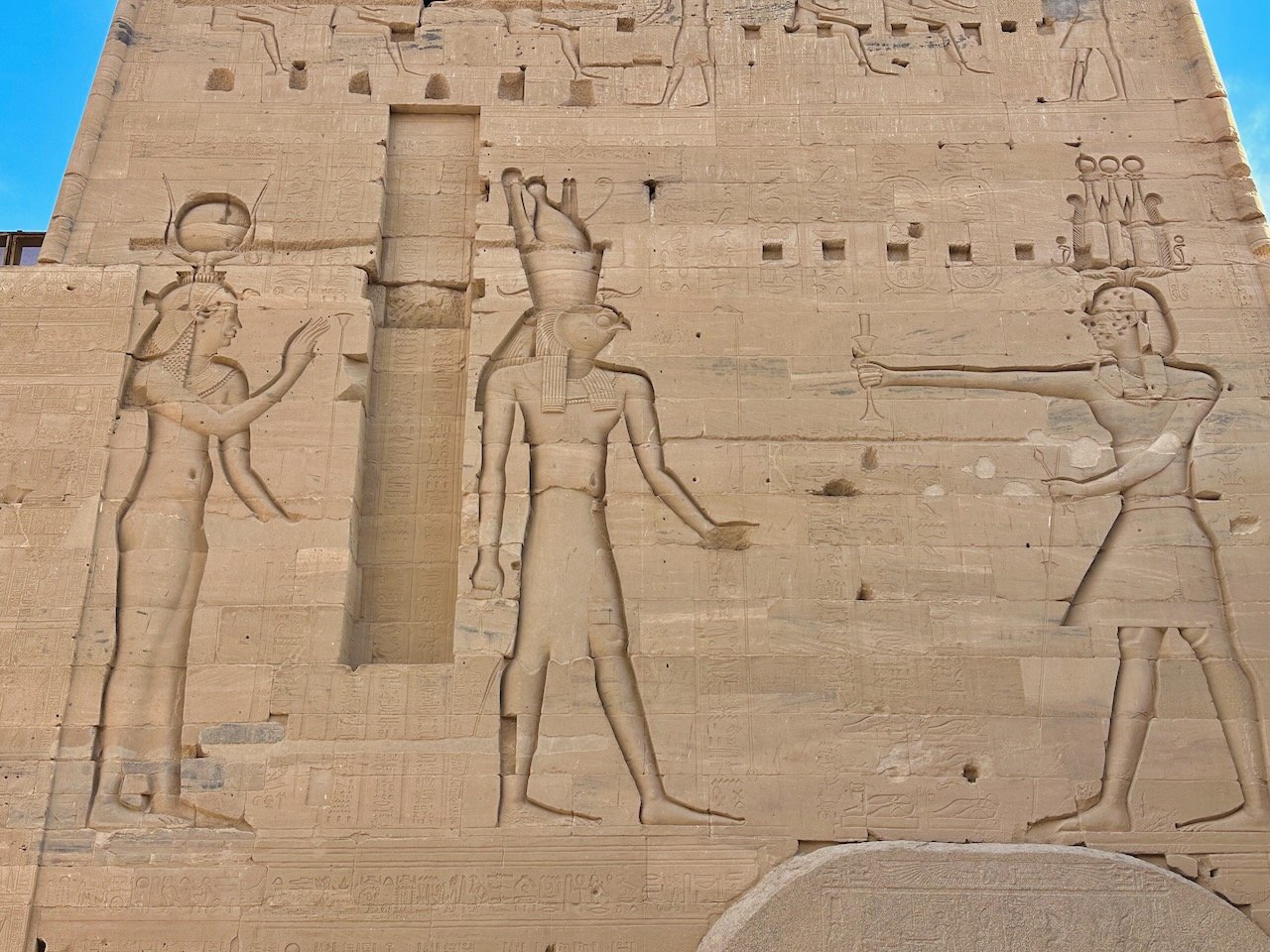
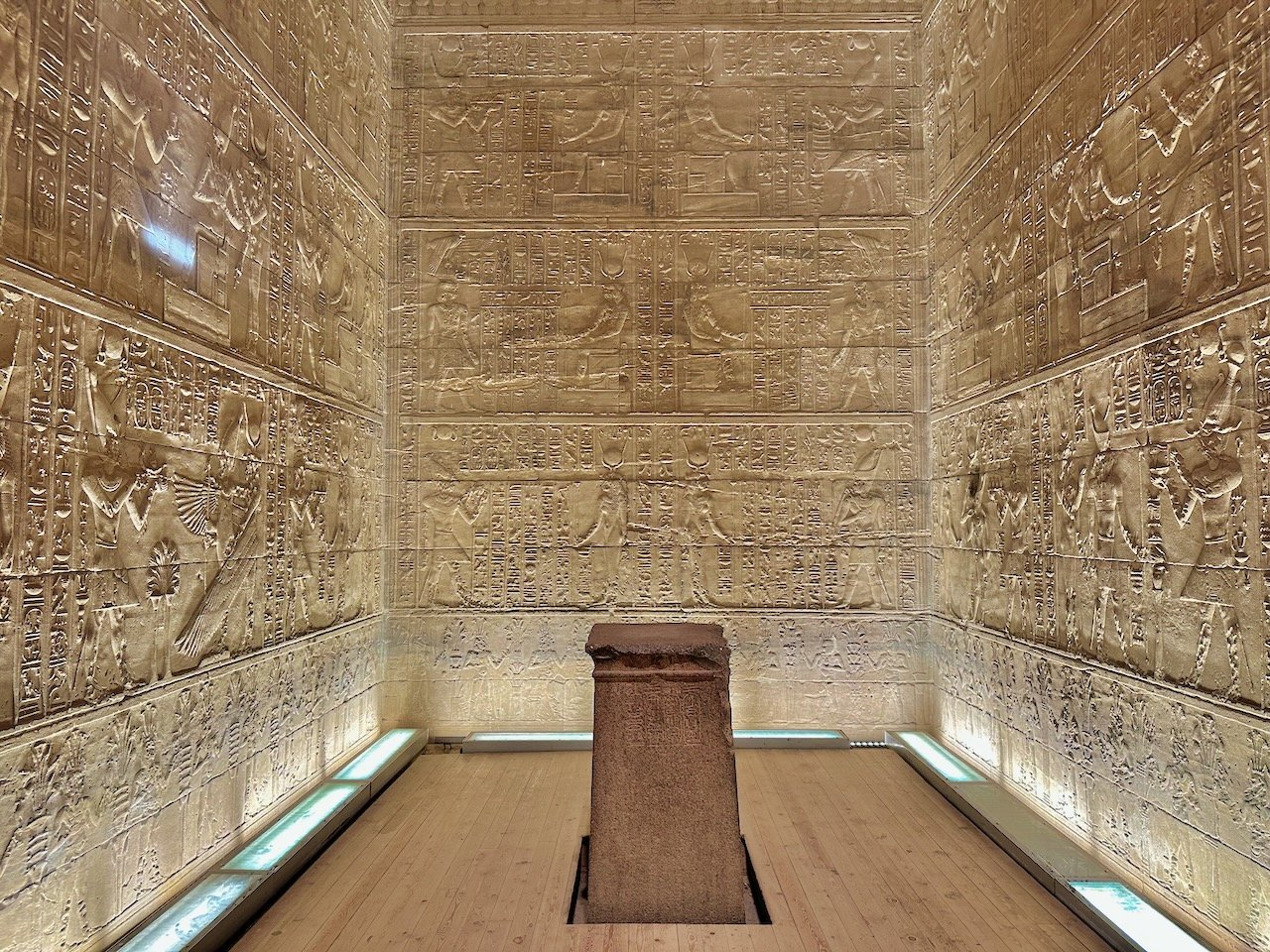
Our first stop of the day required taking small boats to reach the Temple of Philae. It is located on an island on Lake Nasser. The monuments of this temple include many structures dating predominantly to the Ptolemaic Period (332–30 BC). The most prominent of these is a temple begun by Ptolemy II Philadelphus (285–246 BC), which he dedicated to Isis, the mother of Horus, the god of kingship. Horus and Osiris were also honored here. Between 1970 and 1974, the temple was rescued from being submerged under water on Philae and rebuilt on the island of Agilika.
The temple of Isis was one of the last ancient Egyptian temples to remain active, as it continued to function until the reign of the Byzantine Emperor Justinian I (527–565 AD), who ordered the foreclosure of all pagan temples. The temple was converted into a Christian church and many inscriptions were deliberately destroyed.
Nearby, there also is a temple dedicated to Hathor built by Ptolemy VI (180–145 BC) and Augustus, the first emperor of Rome (30 BC–14 AD). The Kiosk of Trajan (98–117 AD), which used to front the temple complex of Philae, still stands strong, despite its roof having disappeared. Even Hadrian is mentioned on one of the walls of the temple. This Roman emperor reigned in Israel around 130’s AD. He was the one who built a platform over the quarry most likely over the location of there tomb of Jesus in order erect a temple and statue to Aphrodite. Here at Philae, Isis is once again central to this cult, as the emperor is shown making offerings to her, her consort Osiris, and their son Horus. We took the boats back to Aswan.
“It was our last day in southern Egypt, and it did not disappoint. We enjoyed a morning of visiting two sites from ancient Egypt, with the afternoon being an amazing cultural experience as we visited the Nubian Village. Tonight we flew back to Cairo.”
Granite Quarry of Aswan
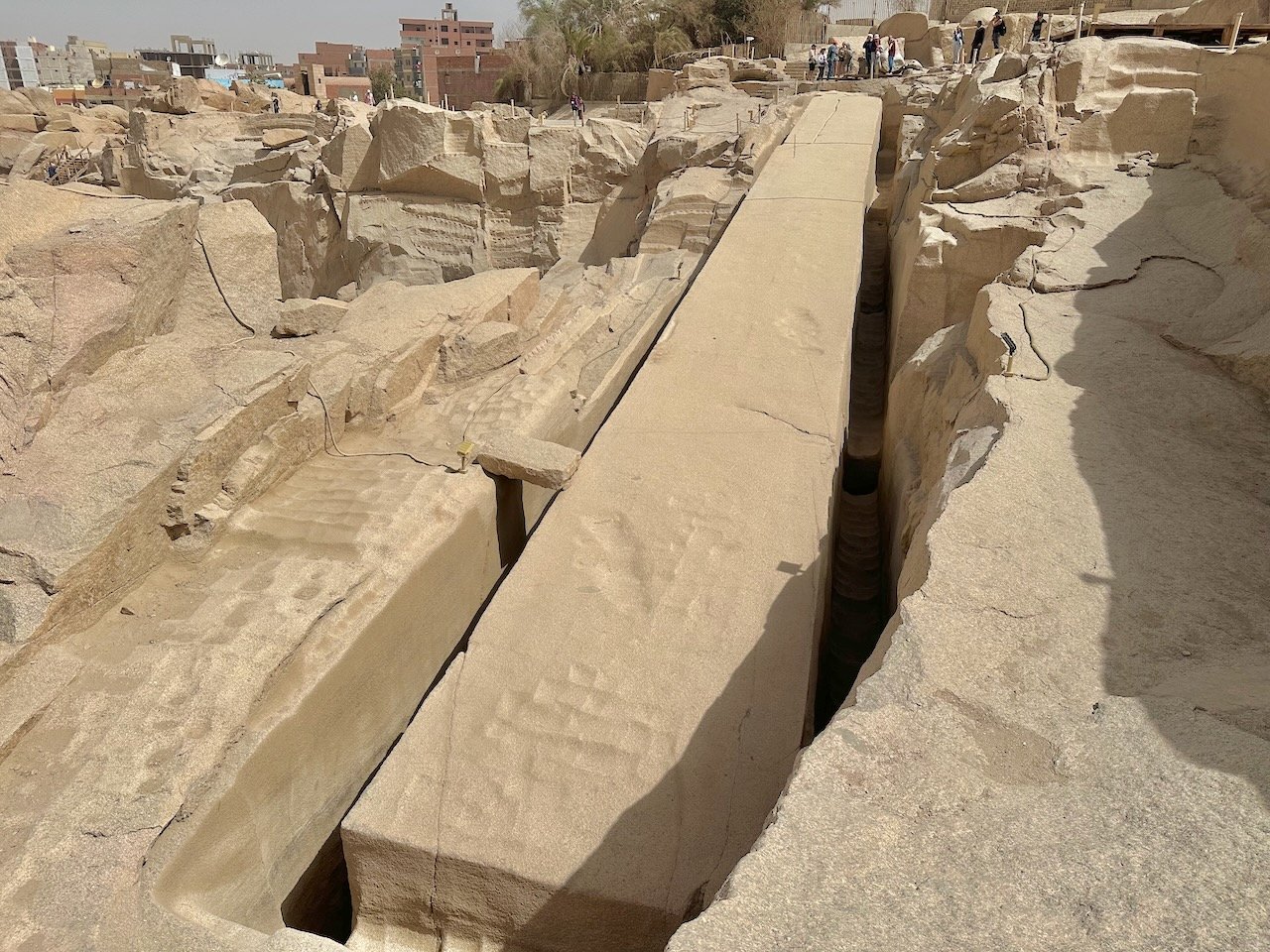
Close by is a quite impressive Granite Quarry in Aswan. This was where obelisks were made and then transported throughout Egypt in ancient times. Displayed there is the unfinished obelisk. The size if it is incredible! If finished it would have measured around 137 feet and would have weighed nearly 1,168 tons. Today, about 12 obelisks stand in Rome, three in Istanbul, three in Paris, and two in London.
Nubian Village
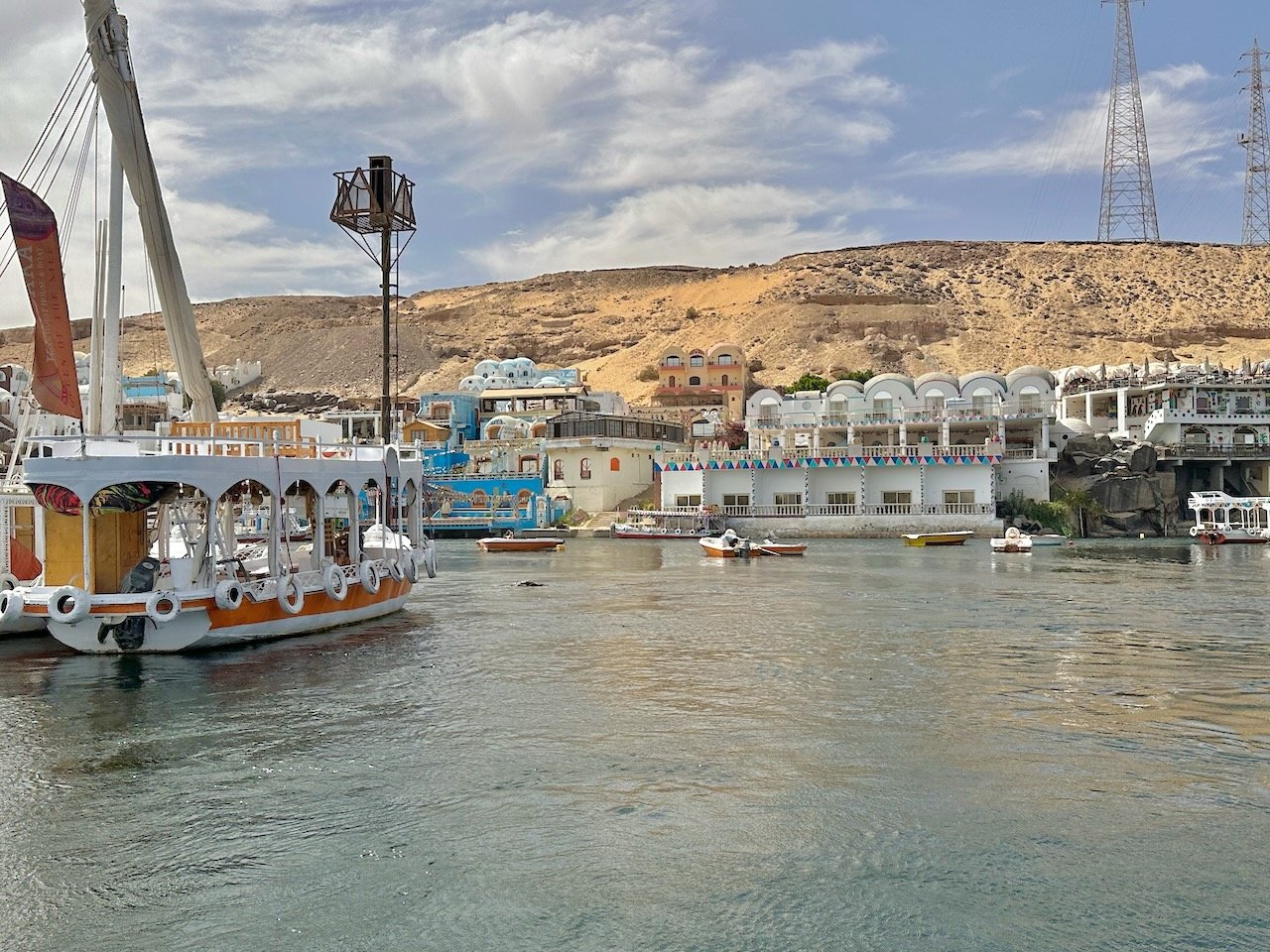
In the afternoon we left the world of antiquity behind us for a moment as we visited the Nubian Village. Again, we boarded boats on the Nile to get there. We passed by Elephantine Island where there was a Jewish community living following the Exile.
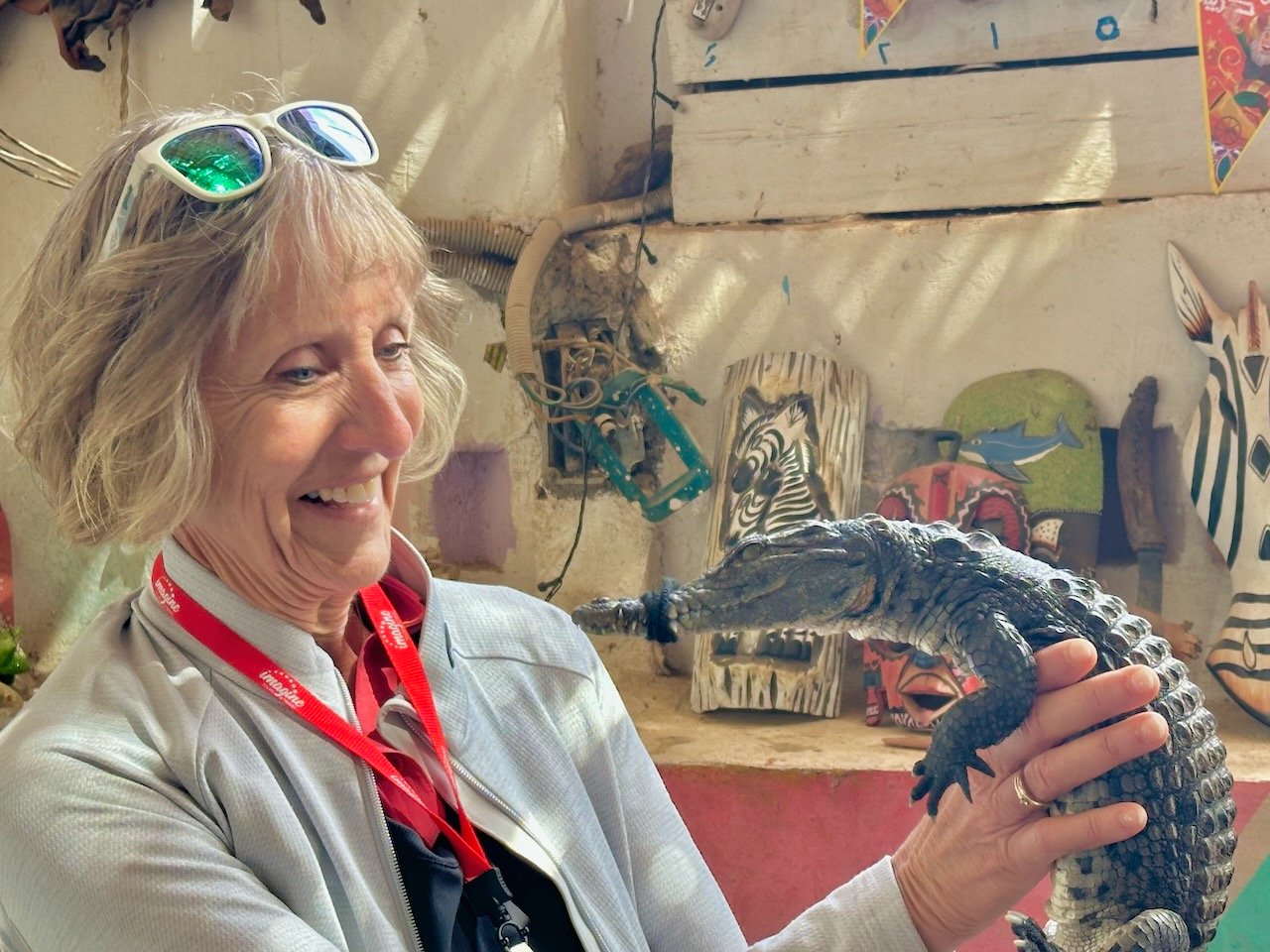
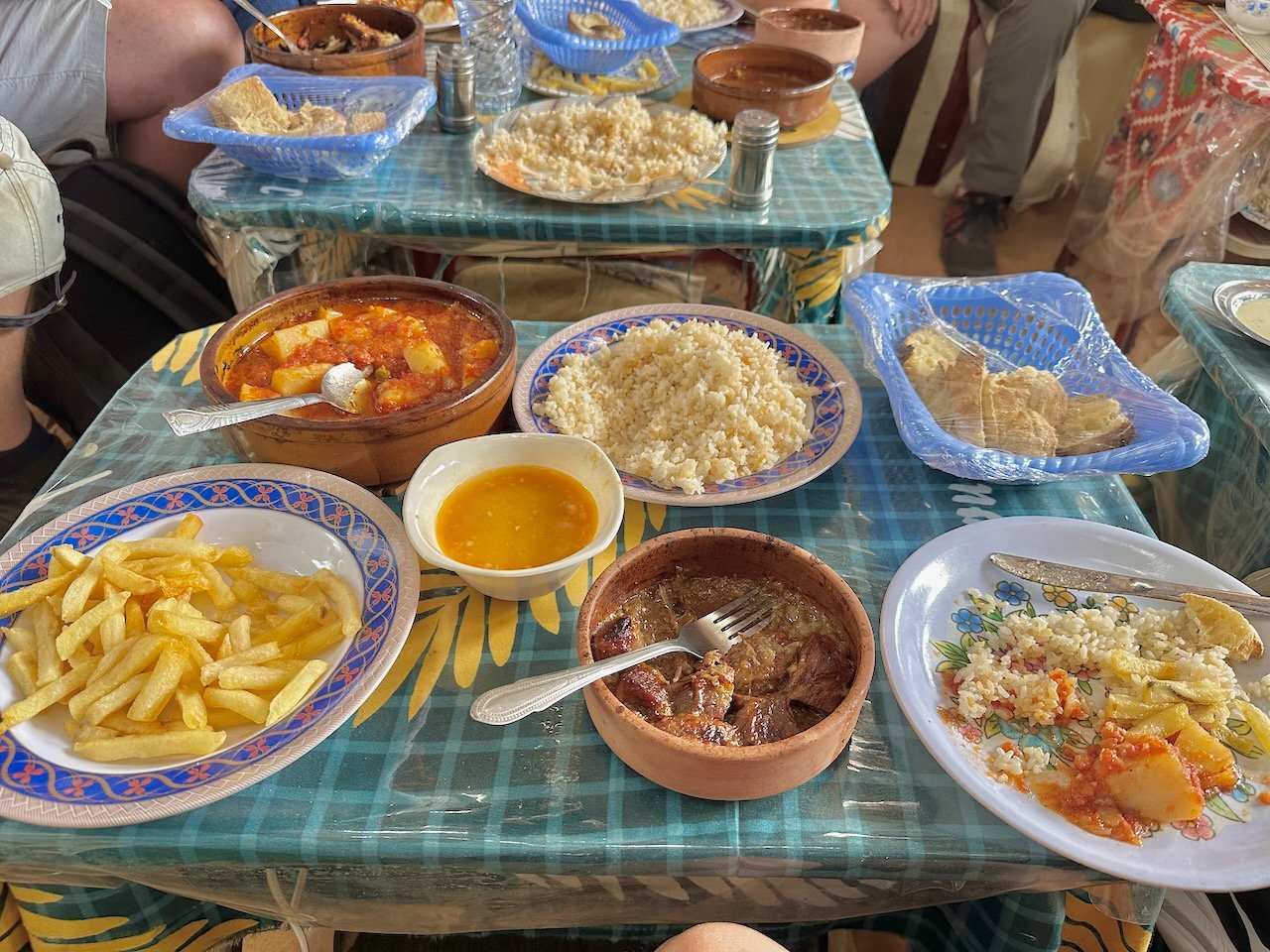
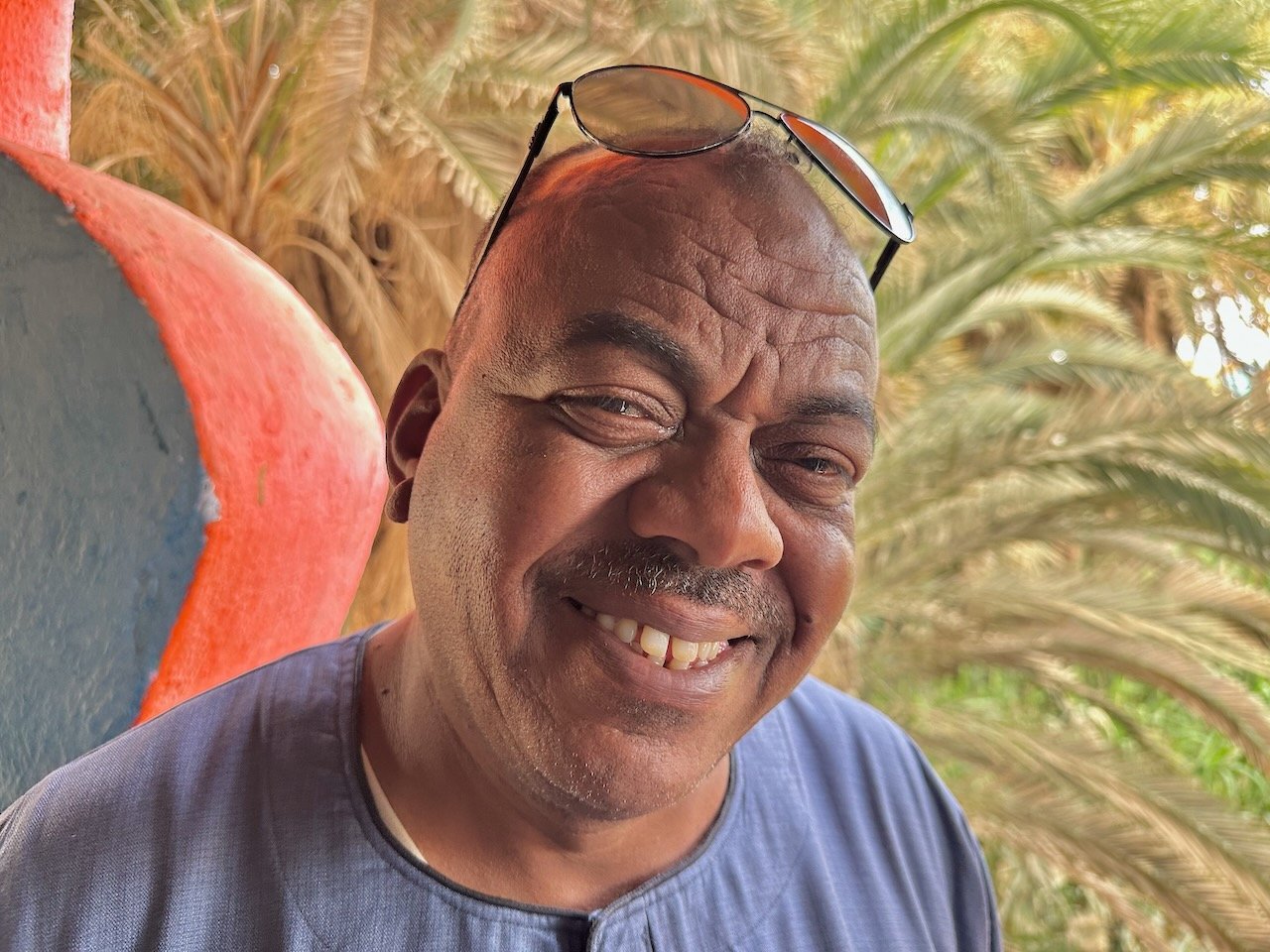
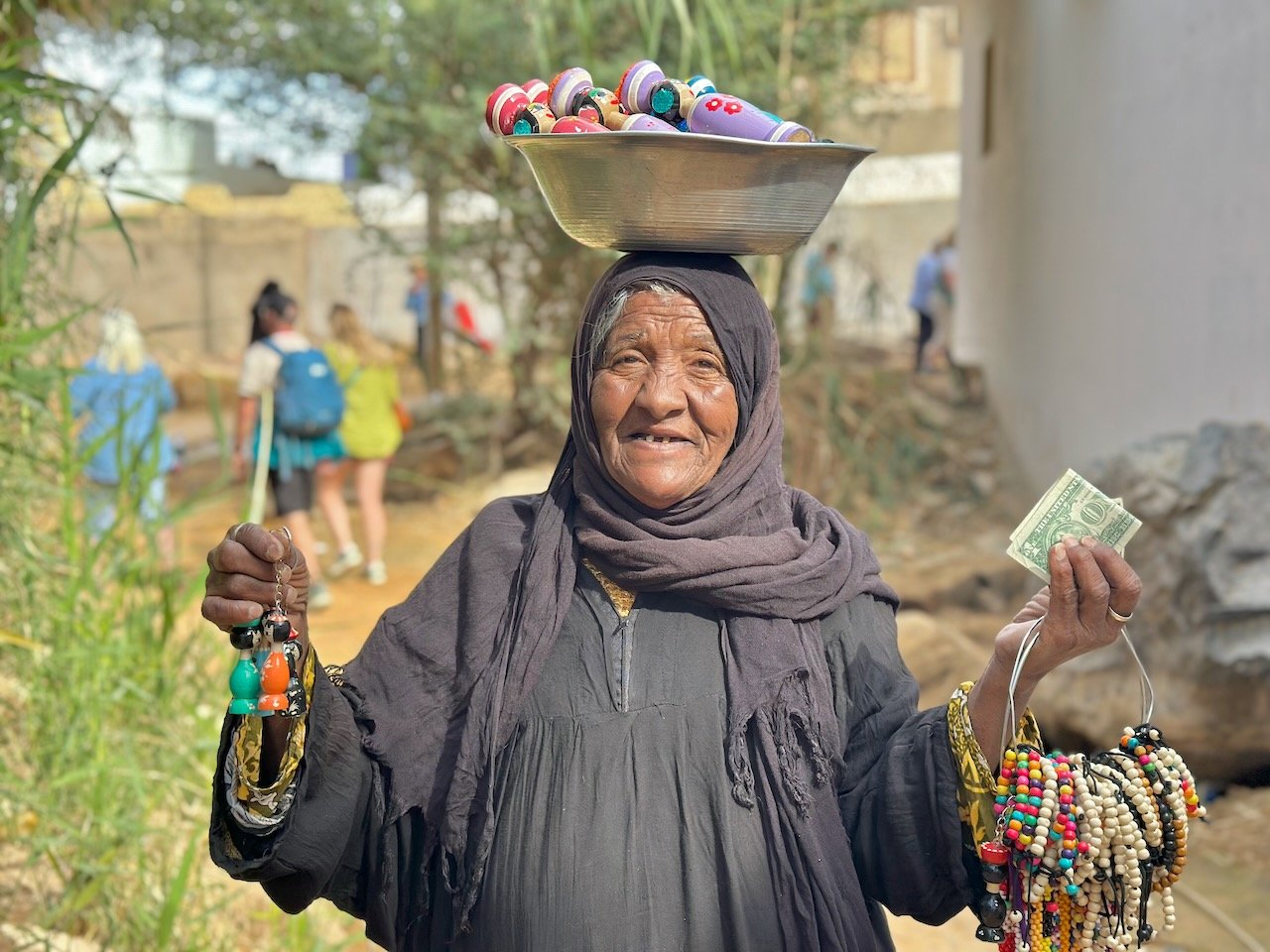
The experience was rich. First we enjoyed a wonderful lunch, followed by some entertainment, We all held a crocodile too. We also saw the Nubian school where we all returned to the “classroom.”
We returned to Aswan by boat in order to drive to the airport to catch our flight back to Cairo. Once landing in Cairo, we enjoyed a quick dinner at the Meridian Hotel before bussing to downtown Cairo to our hotel. It was a late night (arriving at the hotel at 11:30), but we are here for the next four nights.
Day 8 – Saturday, February 28: Old Cairo, Grand Egyptian Museum