Day 6 – Sunday: September 20: Corinth, Mycenae, Cenchreae, Athens
Today we traveled to the Peloponnese of Greece. We left the hotel at 7:30 again following a wonderful breakfast at our hotel. The weather was perfect, with mostly sunny skies, and temps in the low 80s. We read portions of 1 & 2 Corinthians as well left the hotel.
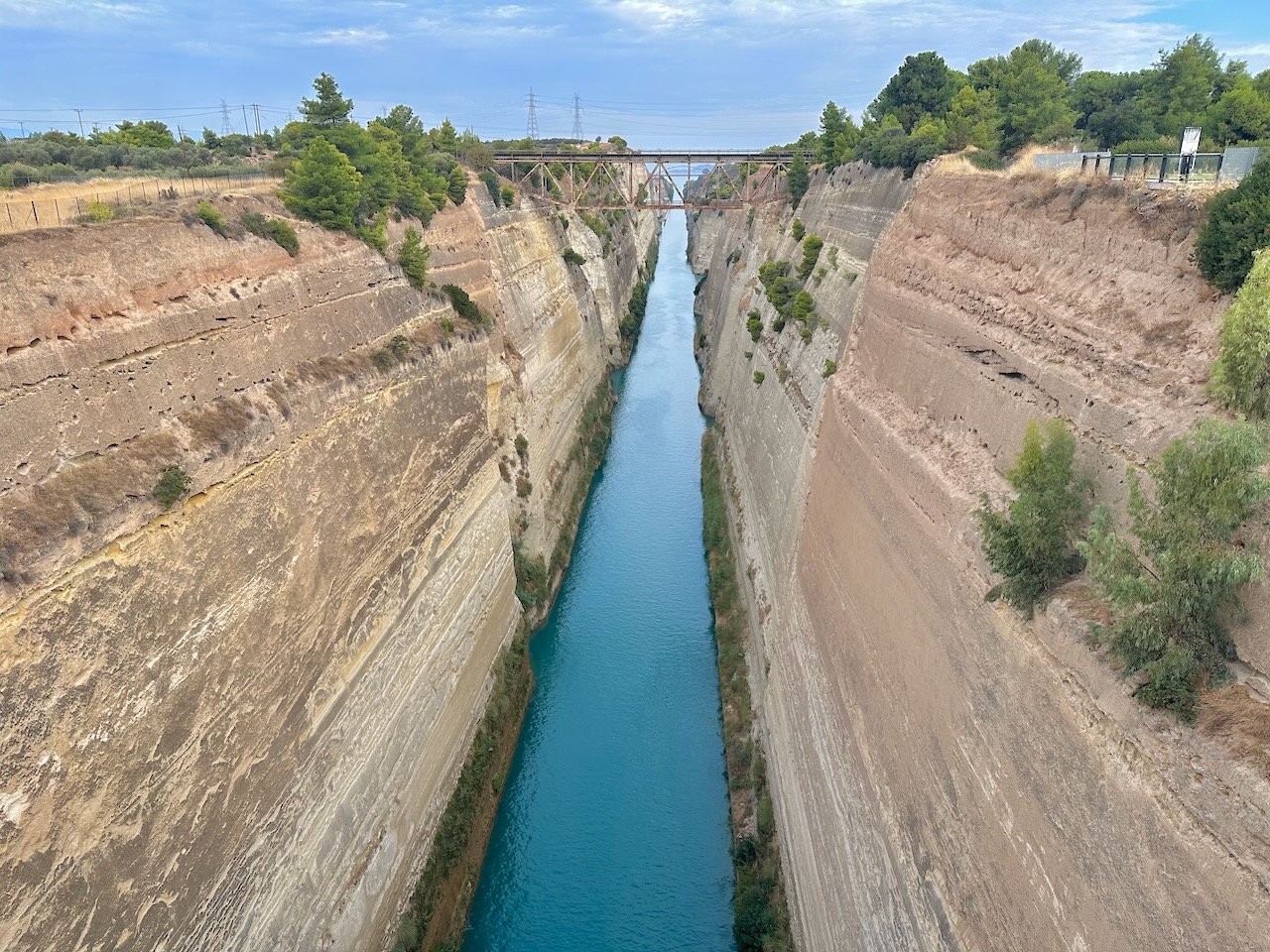
Corinthian Canal
We drove south from the hotel to the Peloponnese of Greece. Our first stop was at the famous Corinthian Canel. It was built over a 11 year span (1882-1893) and is almost 4 miles long, 75-85 feet wide (the width varies at each ends), 280 feet deep, with the water level around 26 feet. It is really a quite incredible engineering feat!
Ancient Corinth
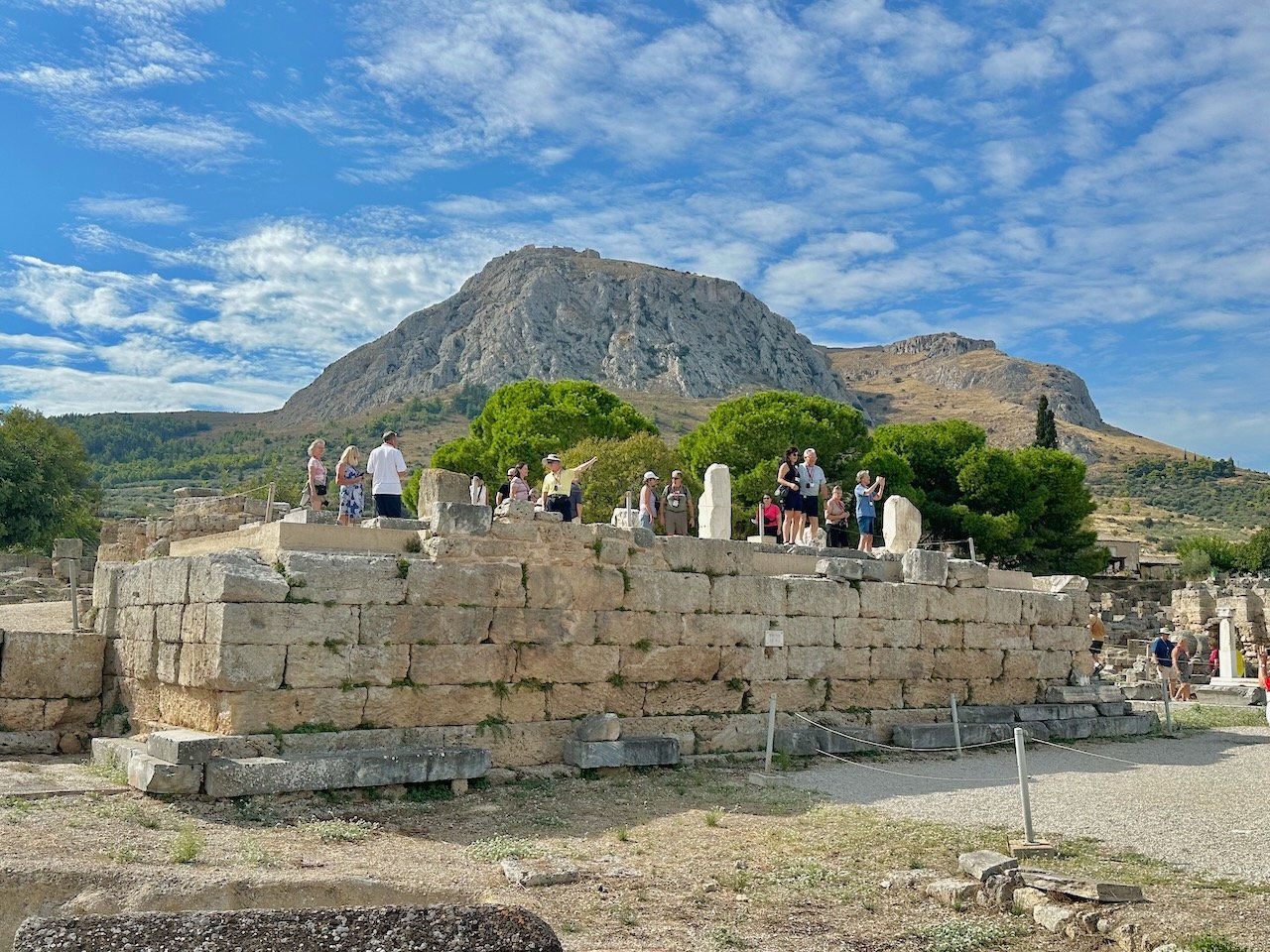
We then traveled another 20 minutes to the ancient site of ancient Corinth. We first visited the archaeological site. We began with a quick visit of the area of the theater. Here, the Erastus Inscription can be seen. He was one who not only financed perhaps the building to the theater here in Corinth, but also Paul’s ministry. He is mentioned in 2 Timothy 4 and Romans 16.
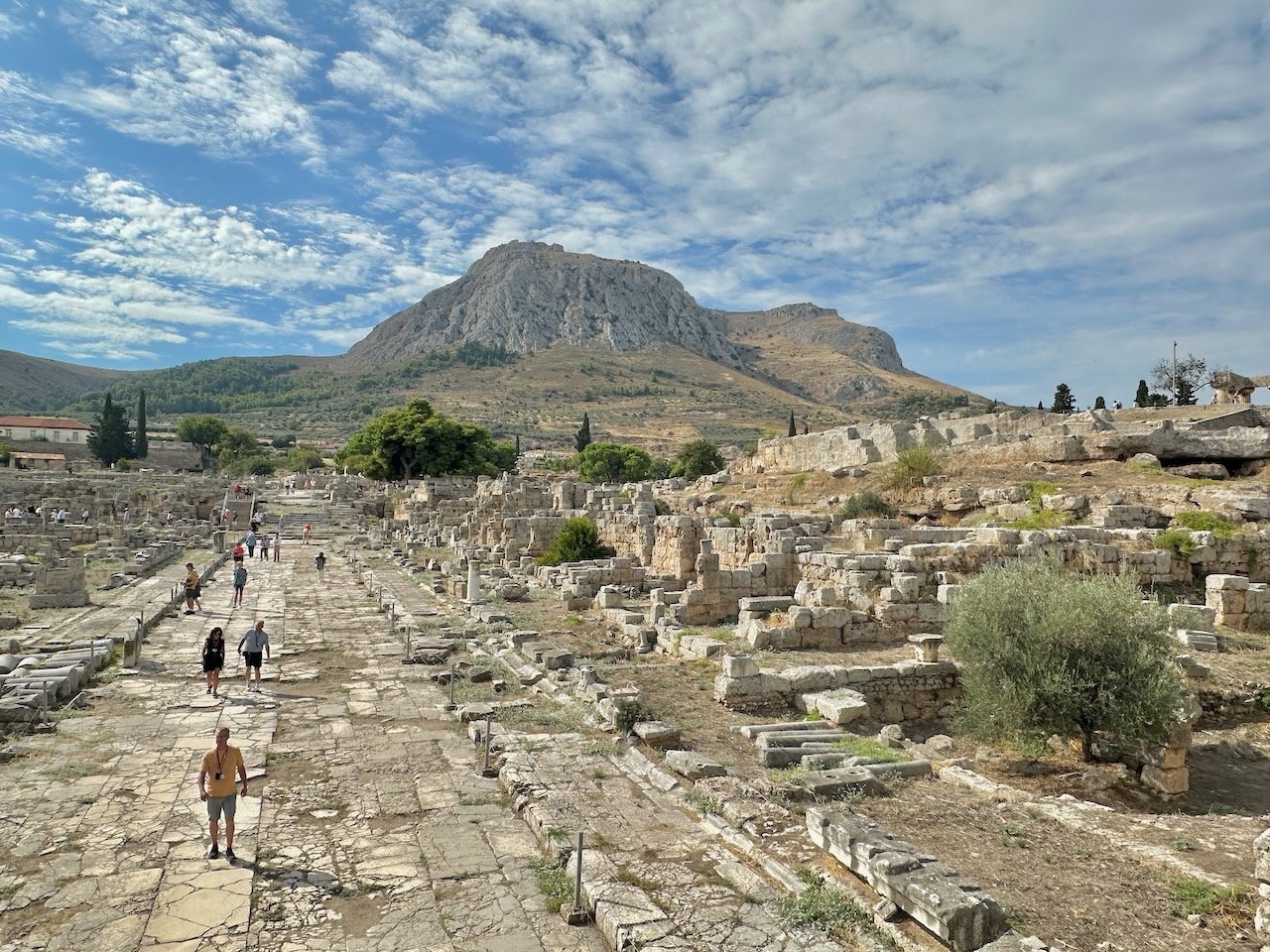
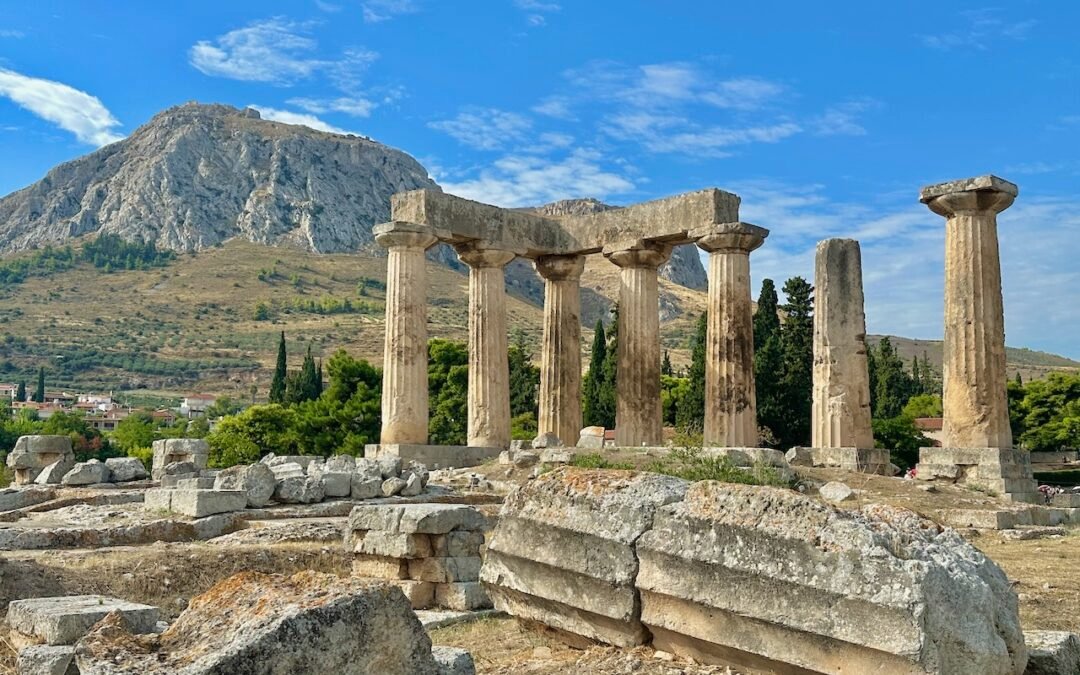
We then entered the small museum inside the archaeological site of Corinth. Here, we saw an image of the Menorah and many clay sculptures of the body parts represented (dedicated to Asclepius, also see 1 Corinthians 12). Among the ruins we saw the Temple of Apollo (one of 14 total pagan temples), the forum (agora in Greek), and the bema (or judgement seat) where Paul shared his defense/testimony before Gallio, (see Acts 18). Paul was here for a year and a half during his 2nd mission journey. From here he wrote letters to the Thessalonica church in the north. During his brief stay here at the end of his 3rd mission journey, we wrote Romans. It was delivered by Phoebe (Romans 16).
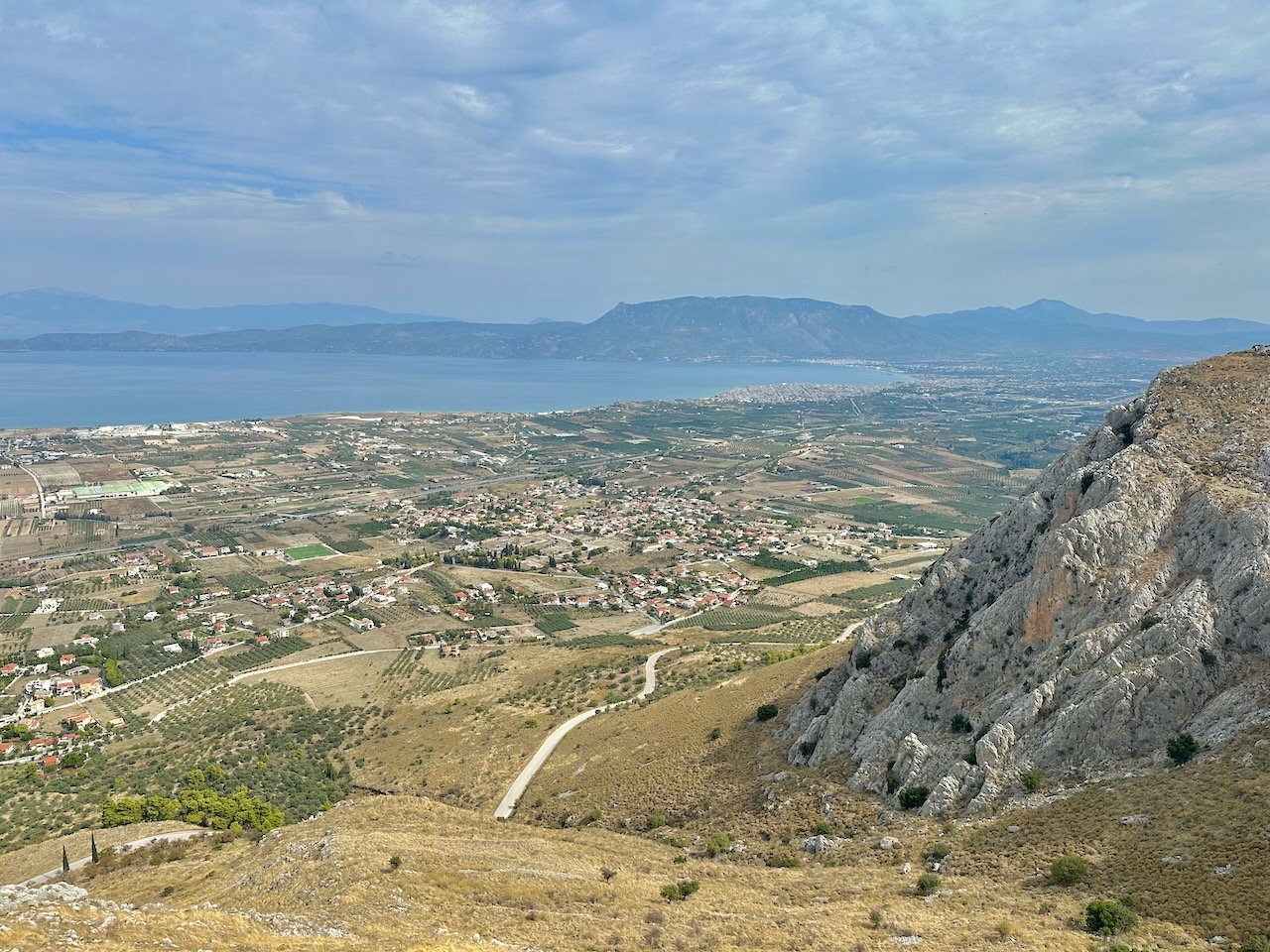
Next, we drove up to the acropolis of Corinth. Many enjoyed jounce here while almost 30 climbed up through the ruins to gain a spectacular view of the plain of Corinth 1800 feet below. On the acropolis there once was the Temple of Aphrodite The massive walls and gates date from between the the time of the Greeks, Romans, Crusaders, Ottomans, and Venetians..
Mycenae
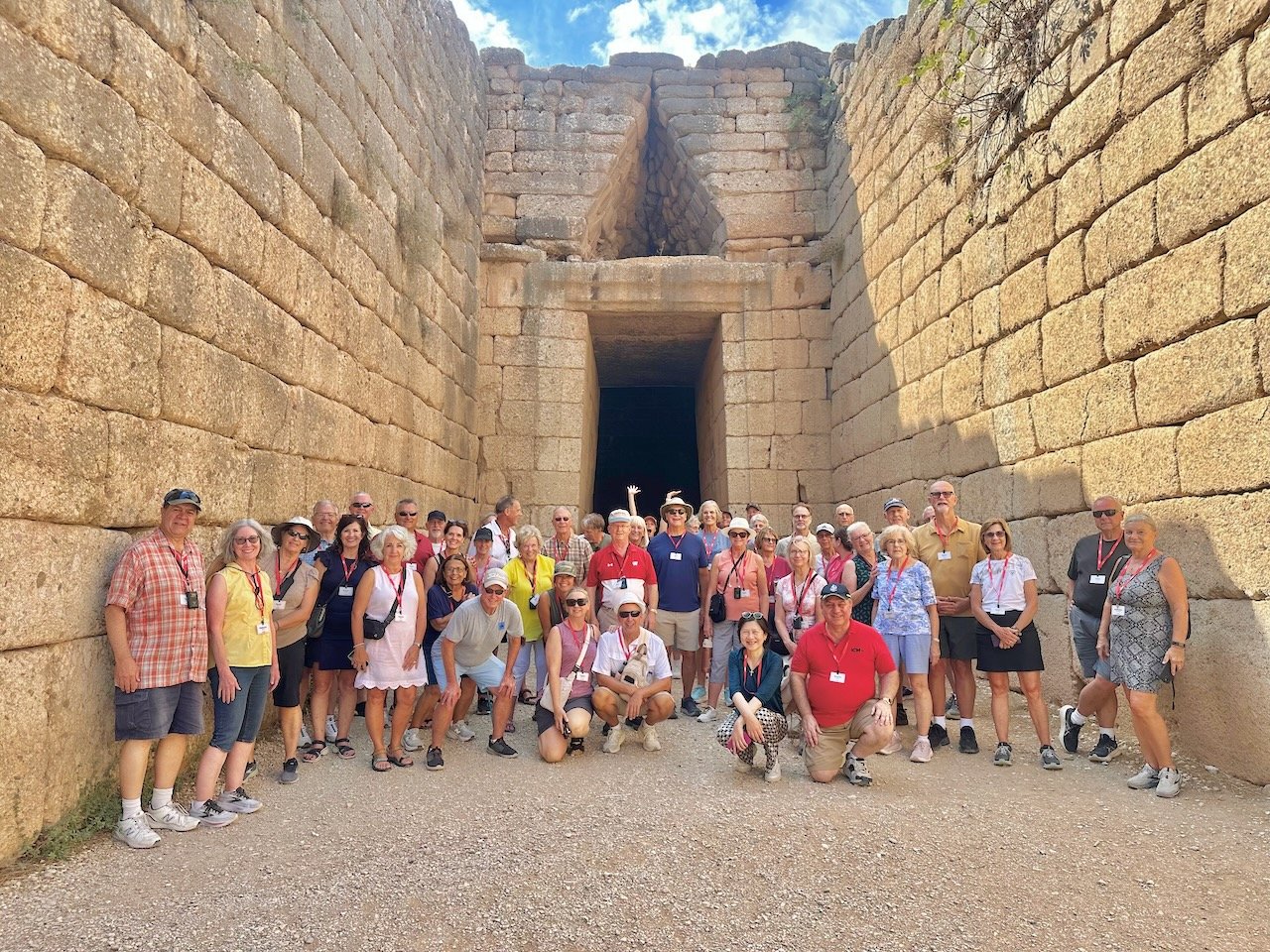
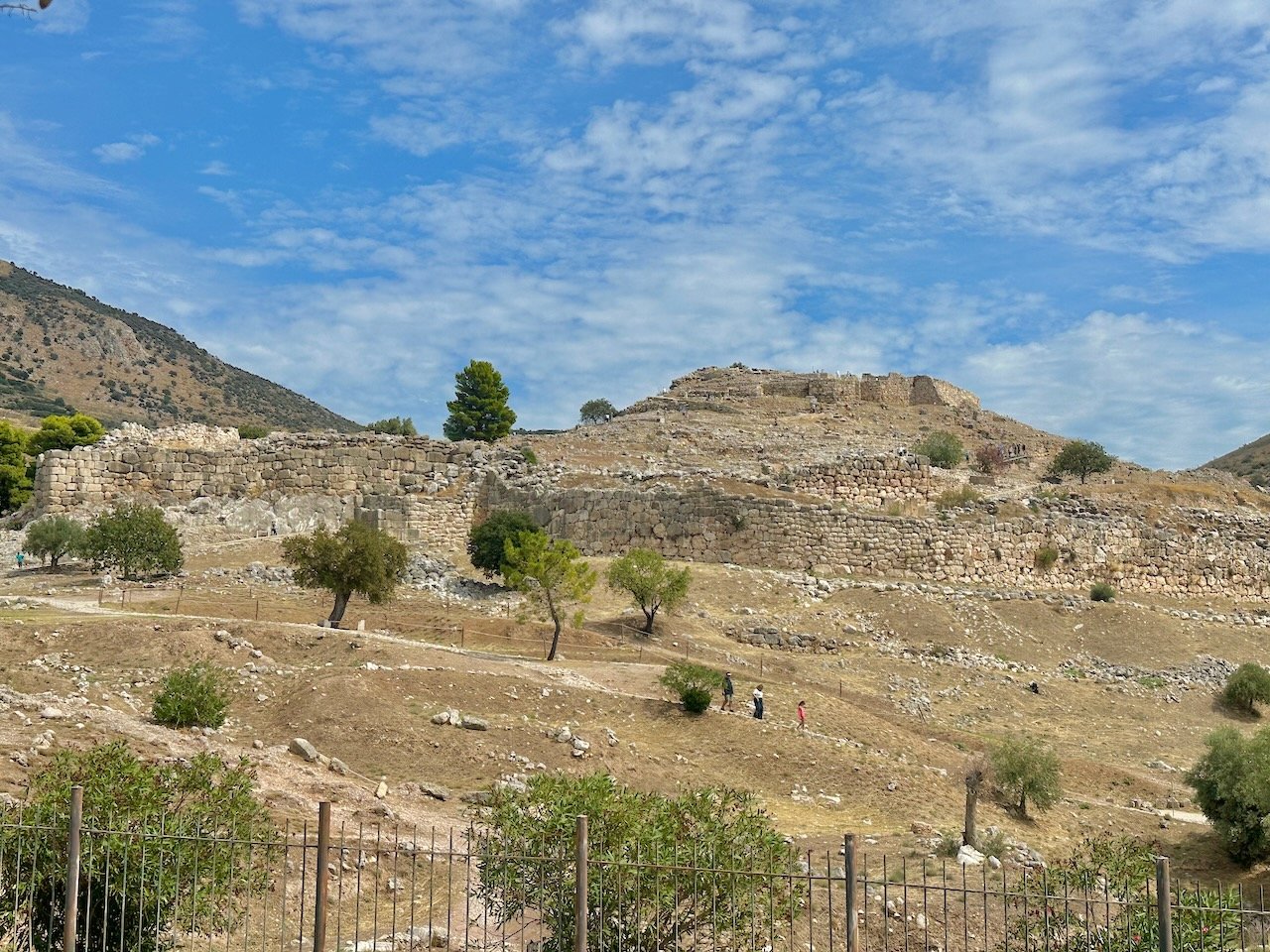
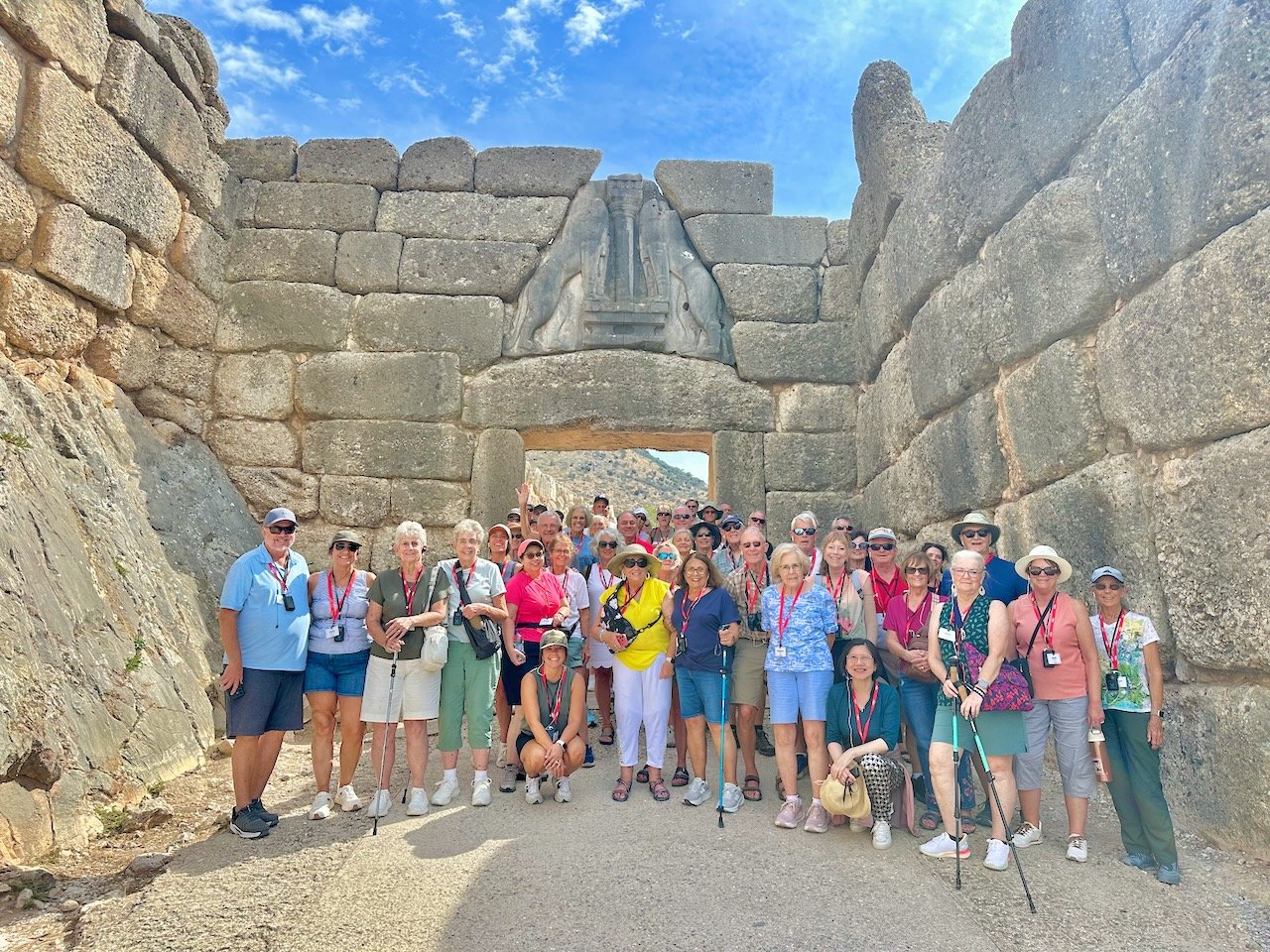
From here we drove about 30 minutes to Mycenae. Much of what we saw dates from 1,350 – 1,200 BC. We walked under the famous Lion’s Gate (1,200 BC). We also saw the shaft tombs (where over 30 pounds of gold was found in the 1870s excavations), the palace area, and the cistern. We also saw the Bee Hive tomb of Atreus, the father of King Agamemnon (also called the Treasury of Atreus). We enjoyed singing a number of songs. With the wonderful acoustics, we sounded like a heavenly choir. 🙂
“We drove south to the Peloponnese today and visited Corinth, Mycenae, and Cenchrea. It was a wonderful day once again connecting to the Bible through archaeology, history, and geography. It was special to have a brief Communion Service as well at the end of the day.”
Cenchrea
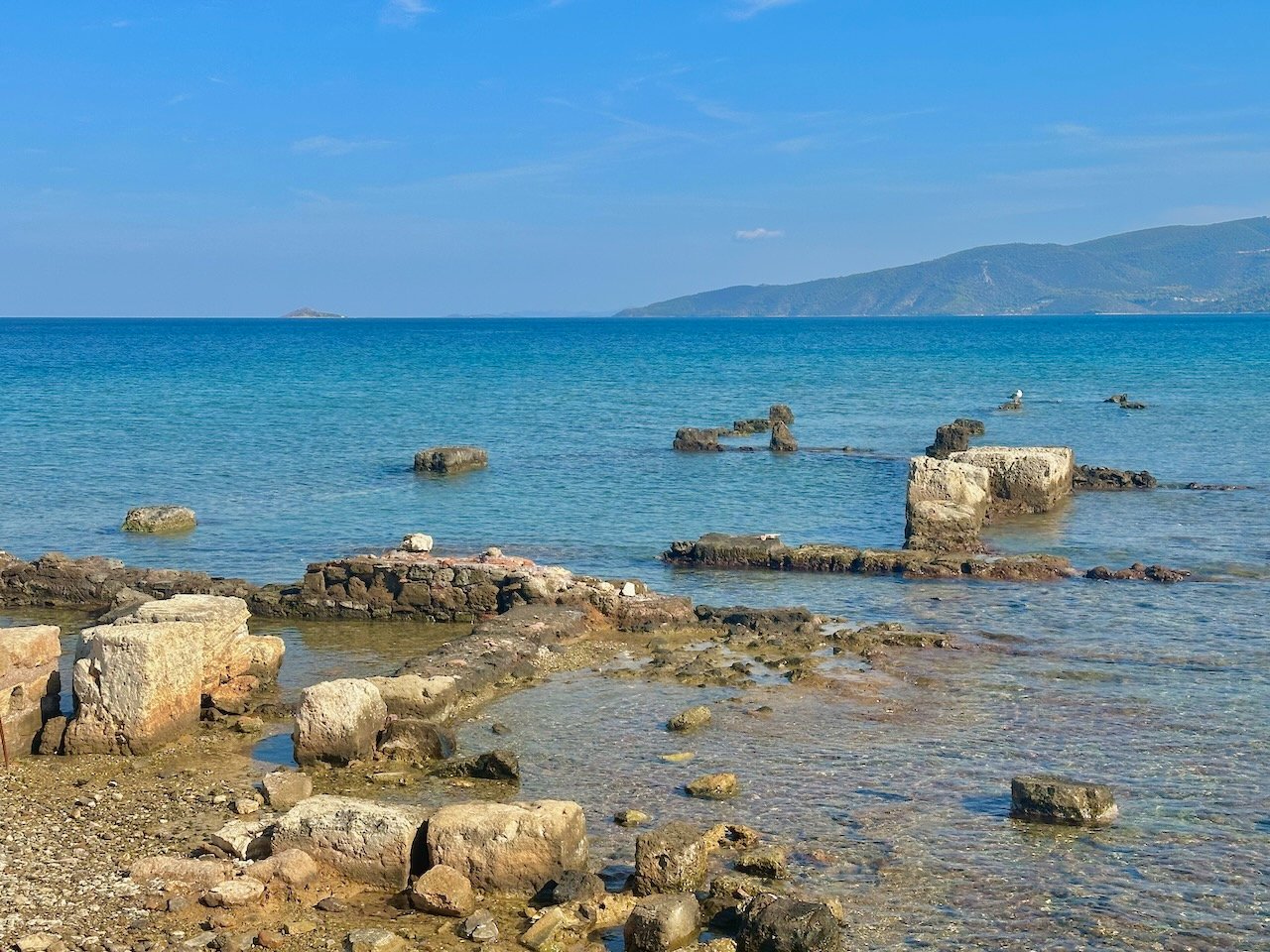
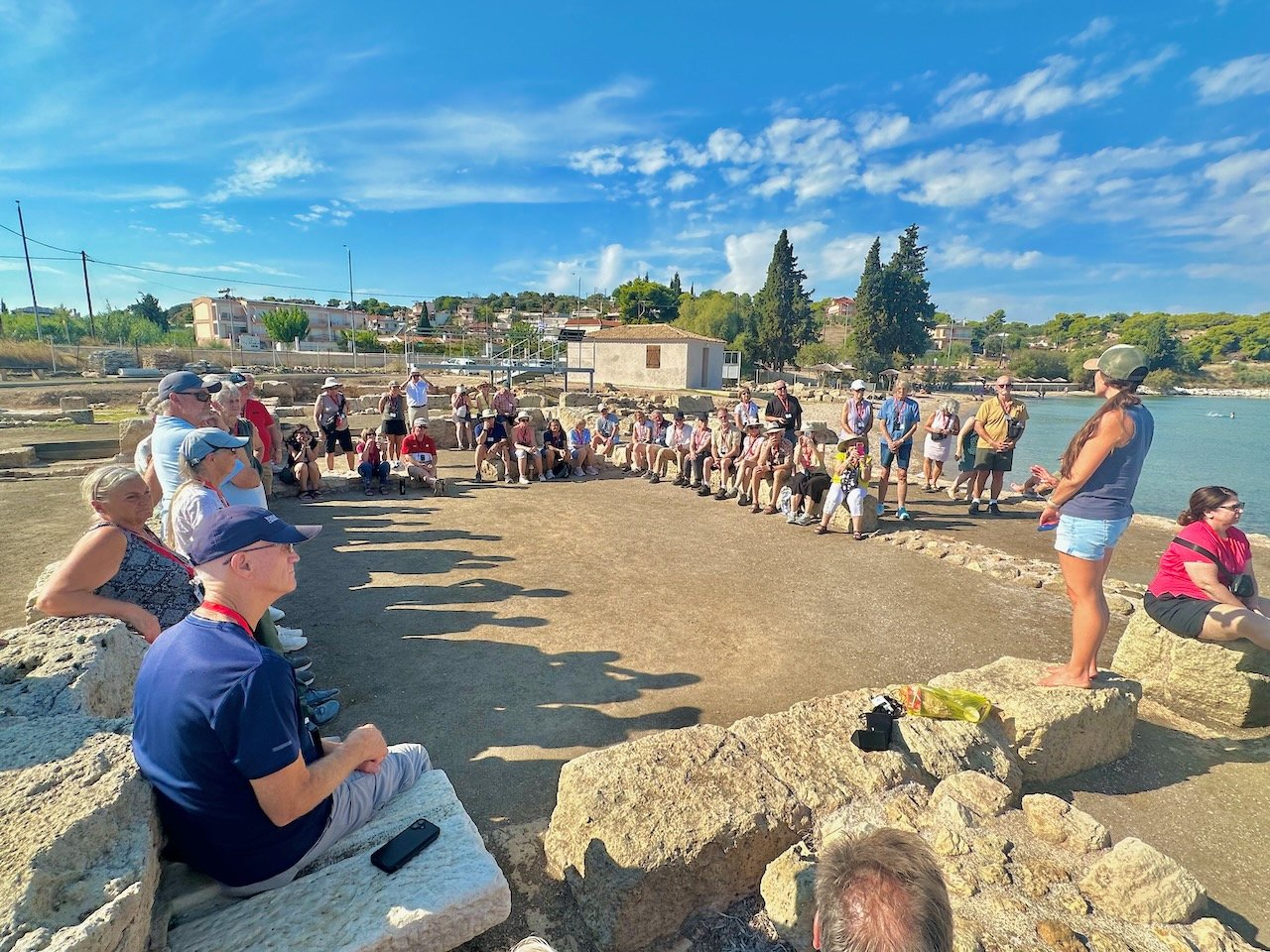
Leaving Mycenae, we started our way back to our hotel in Athens for a late dinner. But before leaving the area of Corinth we made a brief stop at Cenchreae (Acts 18) on the way. This was the harbor Paul used to sail to Ephesus and eventually back to Caesarea. Here Paul cut his hair because of the Nazarite vow he had made (Numbers 6:18). Phoebe also served the church established here (Romans 16:1). Led by Pastors Jenn and Greg, we enjoyed Communion here on there shoreline of the Aegean Sea. It was a special time!
We drove back to the hotel, arriving for dinner at 7 p.m.
Mt. Lycabetus
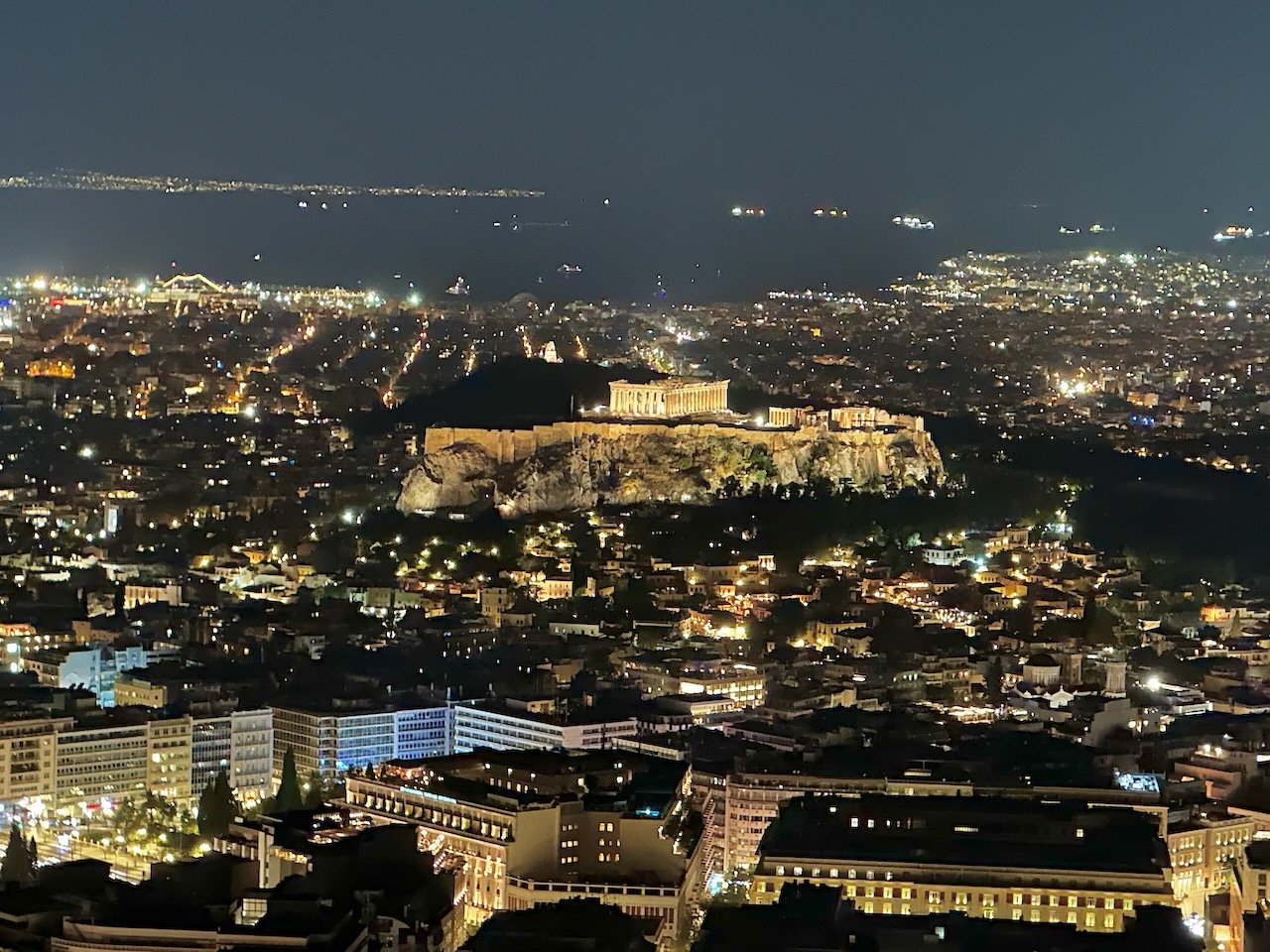
Following dinner at the hotel, many in the group joined an optional walk/hike to the top of the highest hill in Athens called Lycabetus. The view was incredible from here offering a panoramic view at night of all of Athens. This includes seeing the Acropolis and the port of Piraeus!
We all walked back to the hotel and back to our rooms to retire for the evening. We are all looking forward to the start of our 4-day cruise tomorrow morning.
Day 7 – Monday, September 21: Athens, Embark on 4-Night Cruise, Mykonos